Why We Coach Climbing
Looking to learning something new or are you plateauing and not sure where to turn, then Coaching is the way to go.
CLIMBINGOUTDOOR INSTRUCTING
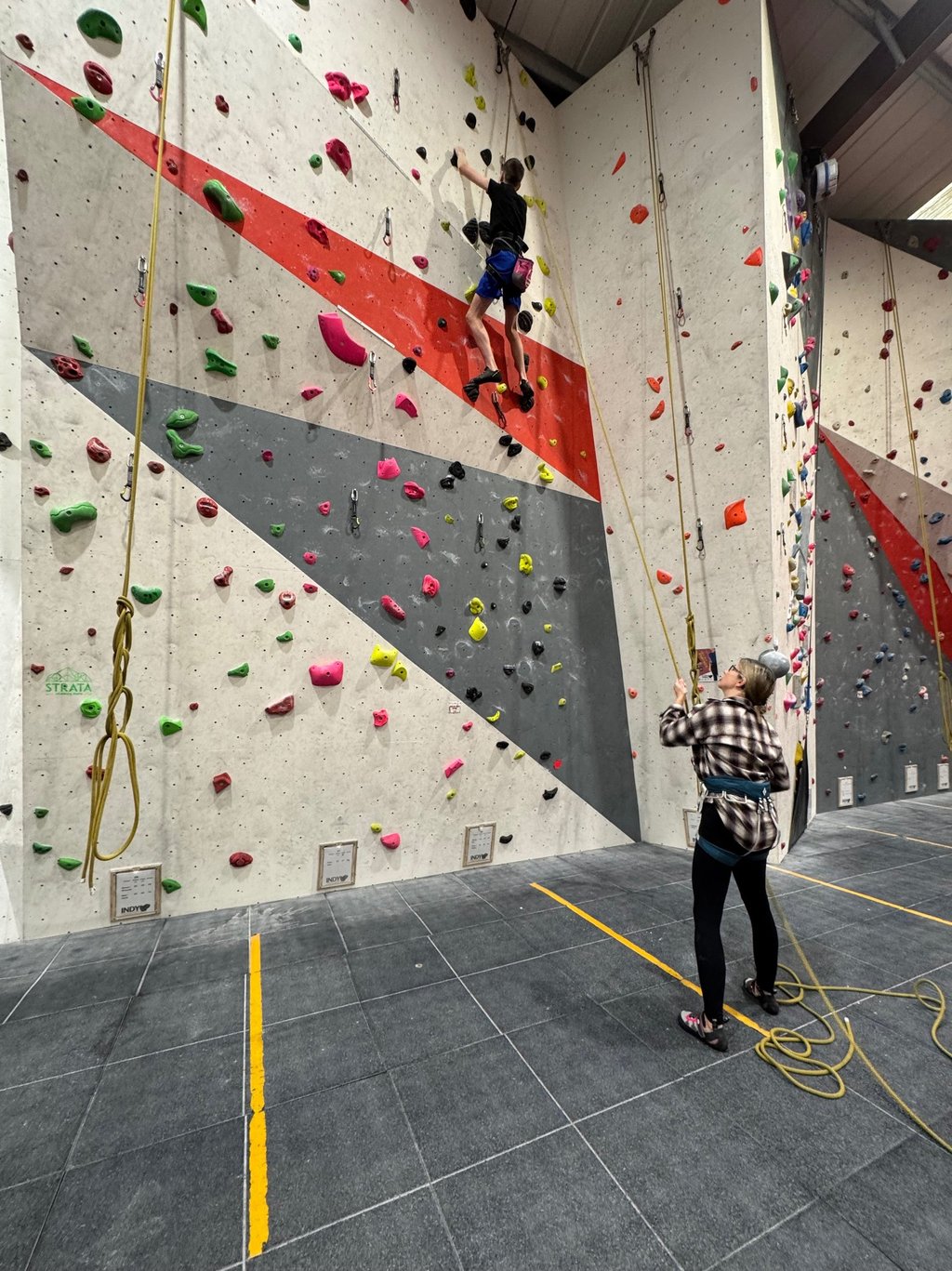
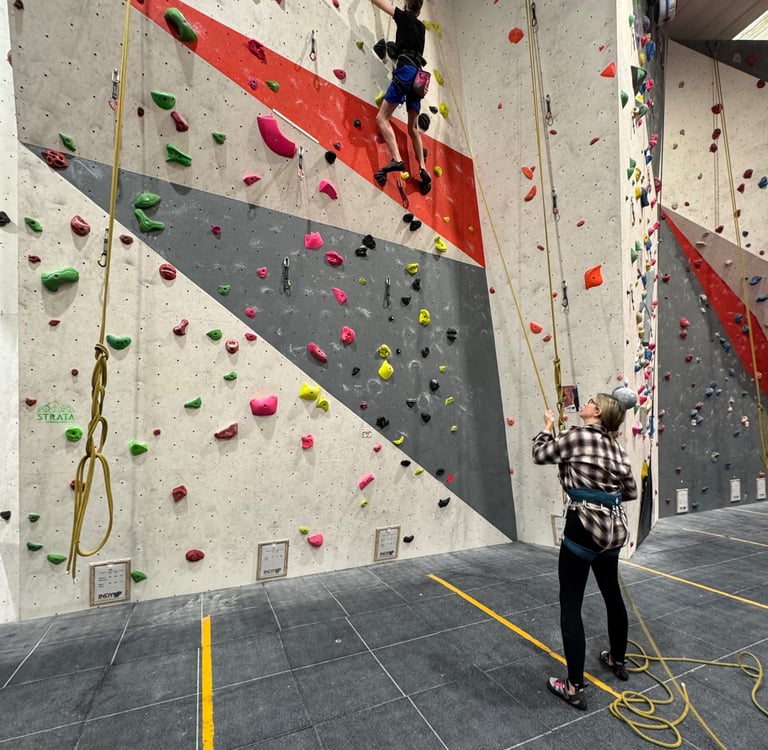
Climbing looks simple from the outside: grab the holds, pull hard, and get to the top. For beginners, it can feel like progress should come naturally just by climbing more. So a common question we hear is:
“Why do I need coaching to climb?”
This post explains why coaching matters, what it really helps with, and how it supports climbers at every stage - especially at the beginning.
Climbing Is More Than Strength
Most beginners assume climbing is mainly about arm strength. In reality, good climbing is built on:
Efficient movement
Balance and body positioning
Footwork and weight transfer
Problem-solving and decision-making
Managing fear, fatigue, and confidence
Without guidance, many climbers rely on strength to compensate for missing skills. This works for a while—but often leads to plateaus, frustration, or injury. Coaching helps you learn how to climb, not just how hard to pull.
Coaching Builds Good Habits Early
The early stages of climbing are when habits form. Some are helpful, others can limit progress later on.
Common unhelpful habits include:
Over-gripping holds
Ignoring foot placement
Rushing moves instead of planning
Holding breath when moves feel hard
Avoiding certain wall angles or styles
A coach helps you notice these patterns early and replace them with efficient, sustainable techniques. This saves time, energy, and frustration as you progress.
Learning Why a Move Works
When beginners climb without coaching, success often feels random:
“I don’t know how I did that, but I’ll take it.”
Coaching turns these moments into learning opportunities. Instead of just repeating moves, you begin to understand:
Why a certain body position feels easier
How foot placement affects reach and balance
When to use momentum vs control
How to adapt when a move doesn’t work
This understanding builds confidence and independence—key traits of strong climbers.
Safer Climbing, Long-Term Progress
Climbing is demanding on fingers, shoulders, and elbows. Beginners are especially vulnerable to overuse injuries because tendons and joints adapt more slowly than muscles.
Coaching supports safer progression by:
Encouraging appropriate intensity and volume
Teaching warm-ups and movement efficiency
Reducing unnecessary strain through better technique
Helping climbers listen to their bodies
The goal isn’t just to climb harder—it’s to keep climbing for years.
Confidence and Mindset Matter
Fear of falling, fear of failure, and self-doubt are common—especially indoors where progress is visible and grades are public.
A coach helps climbers:
Break problems into manageable steps
Reframe failure as feedback
Develop trust in their movement and decisions
Build confidence in a supportive environment
Mental skills are just as trainable as physical ones, and they make a huge difference to enjoyment and progress.
Coaching Is Not Just for “Advanced” Climbers
Coaching isn’t about being told what you’re doing wrong. It’s about guidance, exploration, and learning.
For beginners, coaching:
Accelerates learning
Makes climbing more enjoyable
Reduces frustration and plateaus
Builds strong foundations for future progress
You don’t need to be strong to benefit from coaching—you just need to be curious.
Our Coaching Philosophy
We coach climbing because we believe:
Everyone can learn to move better
Progress should feel sustainable, not exhausting
Understanding leads to confidence
Climbing should be challenging and fun
Our aim is to help climbers understand their movement, trust their abilities, and enjoy the process—whether they’re on their first session or their fiftieth.
Climbing is a skill. Skills can be taught. That’s why we coach.
If you’re new to climbing and wondering where to start, coaching can be one of the most valuable steps you take.
A Bit About Martin - Foundation Climbing Coach and RCI
I’ve been climbing since I was 4 years old. What started as simply enjoying being on the wall quickly became a lifelong passion for movement, problem-solving, and personal challenge.
I’ve been a climbing instructor since 2009 (RCI), and over the years I’ve taught and coached a huge range of people—first-timers, indoor boulderers, top rope climbers, outdoor lead and those looking to push into harder grades. I’ve also recently qualified as a Foundation Climbing Coach, allowing me to offer more structured, goal-focused coaching support. No two climbers are the same, but everyone shares the same learning process.
Now, my focus is on helping climbers achieve their personal goals through specific, structured coaching plans. Whether that goal is climbing your first route, feeling more confident on the wall, or breaking through a long-standing plateau, coaching provides the direction and clarity to get there.
Services
Expert bicycle repairs and event management support.
Outdoor Instructor, Mountain Leader and RockClimbing Instructor.
MIAS MTB, NNAS and Bike Ability Cycle Courses
Contacts
Newsletter / Blog
info@cyclemechanic2u.co.uk
+44 07985709896
© 2025. All rights reserved.