Understanding the Different Types of Mountain Bike Trails
Bike Trails, Bike Parks and Natural Trails, what's the difference and how do you know what's for you ?
MOUNTAIN BIKINGOUTDOOR INSTRUCTING
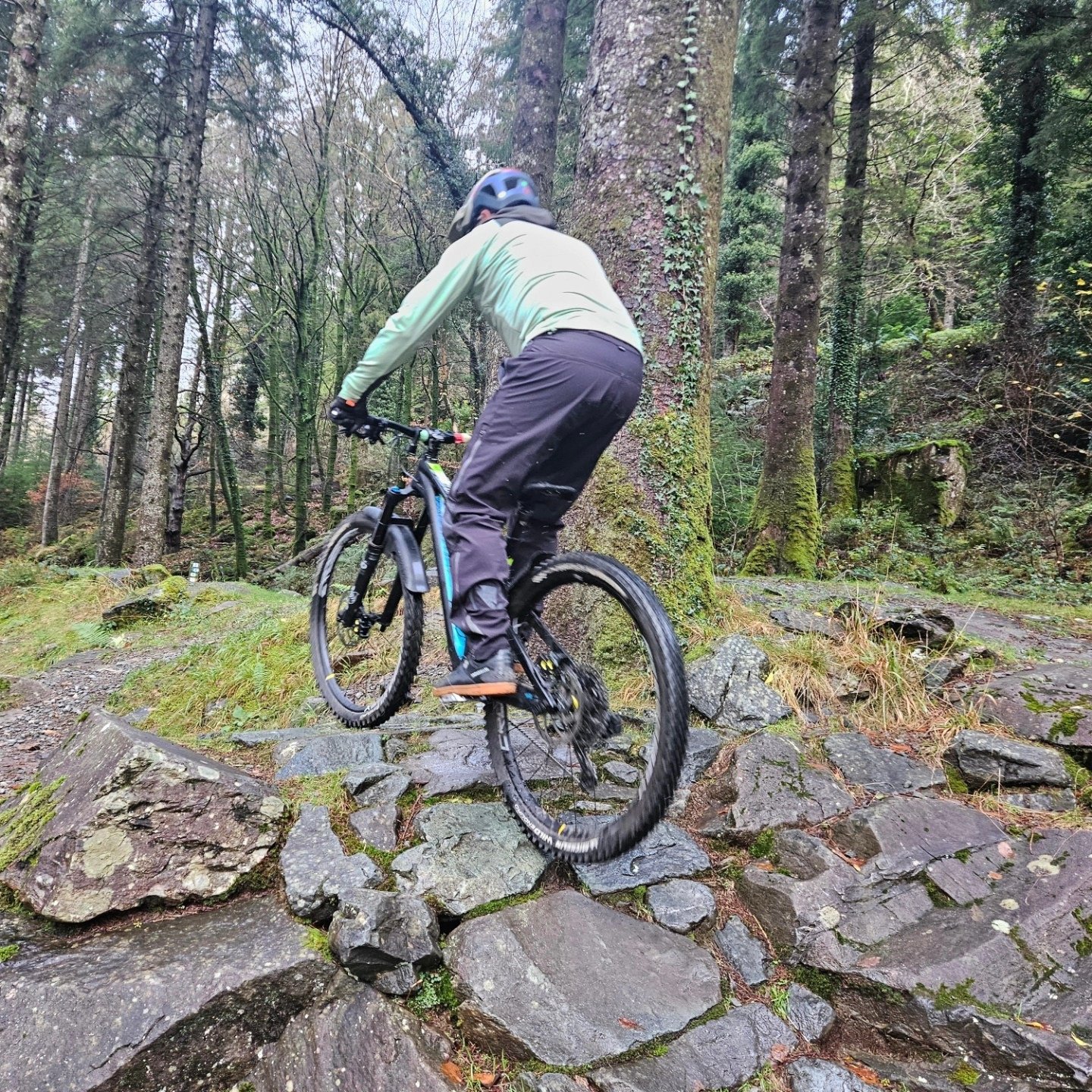
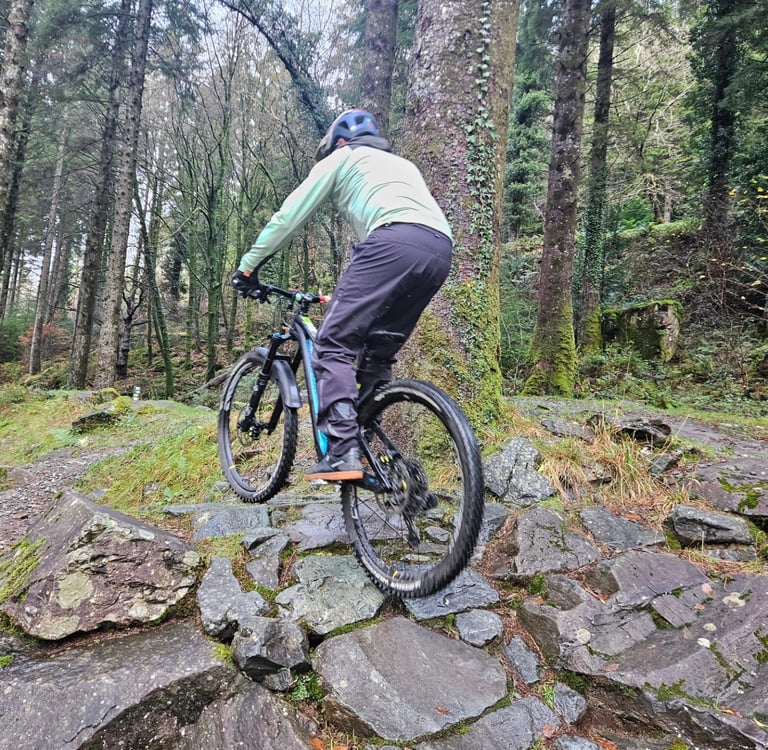
Mountain biking in the UK offers an incredible variety of riding experiences. From fast, sculpted bike park descents to flowing trail centre loops and raw natural singletrack, each type of trail offers something different for riders.
Understanding these differences not only helps you choose the right place to ride, but also helps you develop your skills and confidence as a mountain biker. Many riders progress through these environments as their experience grows, learning new techniques and gaining the confidence to tackle more challenging terrain.
Below we break down the three most common types of mountain bike riding you’ll find across the UK.
Bike Parks – Built for Gravity and Progression
Bike parks are designed specifically to maximise downhill riding and create exciting, feature-rich descents. The primary focus here is gravity riding — getting to the top quickly so you can enjoy the ride back down.
Most bike parks feature machine-built trails with sculpted berms, rollers, jumps, drops and technical sections. These trails are carefully engineered to create flow, speed and progression for riders.
One of the key features of many bike parks is an uplift service, where vans or trailers transport riders and their bikes to the top of the hill. This allows riders to spend the majority of their time descending rather than climbing.Because of the speed and size of some features, bike parks often have a more intense atmosphere compared to other riding environments. Riders commonly use long-travel bikes, and protective equipment such as full-face helmets, knee pads, and body armour is often recommended.
Bike parks are a great place to:
Improve your descending skills
Practice jumps, drops and technical features
Build confidence at higher speeds
Repeat the same trails to refine technique
For many riders, bike parks are where they begin to develop more advanced gravity skills. However, proper technique and trail awareness are key to riding safely and getting the most from these trails.
Trail Centres – The Heart of UK Mountain Biking
Trail centres are often the starting point for many riders entering the world of mountain biking. They are designed to provide a balanced riding experience that combines climbing, descending and flowing singletrack in a structured trail network.
These trails are purpose-built and maintained, making them reliable in a wide range of weather conditions. Unlike natural trails, trail centres are graded using a clear difficulty system — usually green, blue, red and black — which helps riders choose routes suitable for their skill level.
Trail centre loops typically involve pedal-powered riding, where riders climb using fire roads or gradual climbing trails before descending purpose-built singletrack.
Another advantage of trail centres is the facilities available, which often include:
Visitor centres
Cafés
Bike hire and demo bikes
Bike shops and repair stations
Toilets and parking
Because of their structured layout and predictable trail surfaces, trail centres are excellent places to:
Learn core mountain biking skills
Build fitness and endurance
Develop confidence on different trail grades
Practice group riding and navigation
Trail centres are also commonly used for coaching and skills development, as they provide a safe and controlled environment for learning techniques such as cornering, braking, line choice and trail awareness.
For riders looking to improve their riding or eventually lead group rides, these environments offer an excellent place to develop foundational skills.
Natural and Off-Piste Trails – Raw and Technical Riding
Natural trails, sometimes referred to as off-piste trails, offer a very different mountain biking experience. Rather than being engineered, these trails follow the natural terrain through woods, hills and mountains.
They are often unsanctioned and hand-built, meaning conditions can change regularly depending on weather and trail use. Riders may encounter roots, rocks, steep chutes, muddy sections and tight technical turns.
Unlike trail centres, natural trails typically have no signage, grading or facilities, and finding the best lines often relies on local knowledge or experience.
This type of riding is often quieter and more adventurous, appealing to riders who enjoy exploring and adapting to constantly changing trail conditions.
Natural trails can help riders develop:
Advanced bike handling skills
Terrain reading and line choice
Balance and traction control
Technical climbing and descending ability
However, because these trails are less predictable, they also require a higher level of awareness and riding confidence.
Developing Skills Across Different Trail Types
Each type of trail environment teaches different skills. Bike parks improve descending and feature riding, trail centres build overall trail riding ability, and natural trails develop technical bike handling and adaptability.
Many experienced riders regularly ride all three, using each environment to build different aspects of their riding.
For riders who want to progress further — whether that means riding more confidently, leading group rides, or eventually becoming an instructor — structured learning can make a huge difference.
Developing the right techniques early not only improves riding ability but also helps riders understand trail safety, group management and decision making on the trail.
Taking the Next Step in Your Riding
If you’re looking to build your confidence on the trails or develop the skills needed to ride and lead groups safely, structured training can help accelerate your progress.
Coaching sessions and preparation courses can help riders:
Improve core mountain bike skills
Learn safe group riding techniques
Understand trail leadership and decision making
Build confidence before progressing to instructor qualifications
For riders considering becoming guides or instructors, preparation courses can also provide a valuable stepping stone before progressing onto recognised qualifications such as MIAS training.
Whether your goal is to ride more confidently, explore new trails, or begin the pathway towards becoming a qualified mountain bike leader, developing the right skills is the foundation of every great ride.
Services
Expert bicycle repairs and event management support.
Outdoor Instructor, Mountain Leader and RockClimbing Instructor.
MIAS MTB, NNAS and Bike Ability Cycle Courses
Contacts
Newsletter / Blog
info@cyclemechanic2u.co.uk
+44 07985709896
© 2025. All rights reserved.